
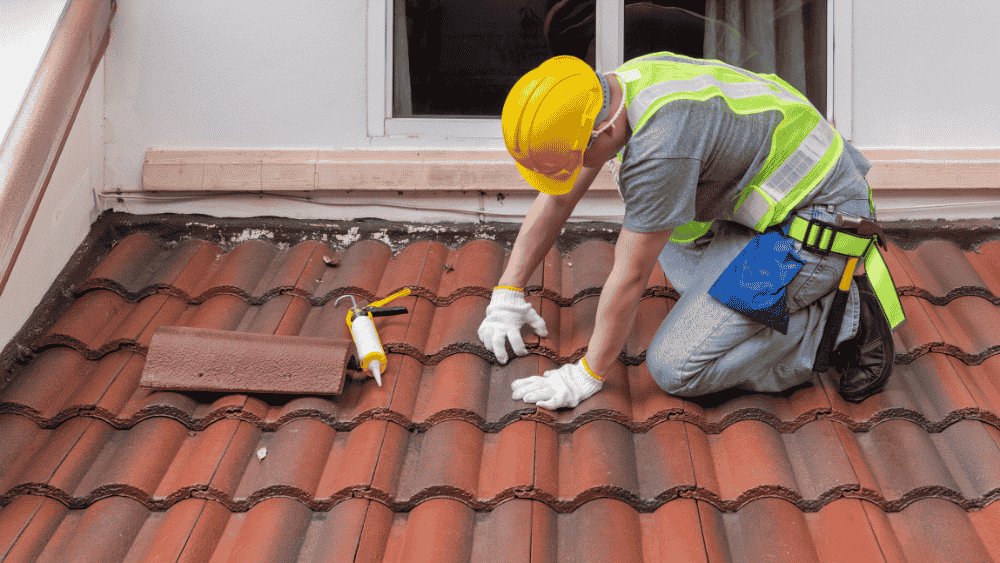
Why Regular Roof Inspections Are Essential for Texas Homes
When it comes to maintaining a safe and secure home in Texas, few things matter more than the condition of your roof. With scorching summers, sudden hailstorms, and unpredictable heavy rains, your roof works harder than you might think. A timely roof inspection not only helps identify hidden damage but also prevents costly repairs down the road. In this blog, we’ll uncover why routine roof inspections are crucial for Texas homeowners, what they involve, and how to ensure you’re getting the best value for your investment.
The Role of a Roof in Protecting Your Home
Your roof is more than just shingles and beams—it’s the shield that keeps your family, belongings, and home structure safe from Texas’s extreme climate. Even minor issues like a cracked shingle or a small leak can escalate quickly if not detected early. This is where a professional roof inspection comes in.
Think of it as a health check-up for your house: the earlier you identify a problem, the easier (and cheaper) it is to fix.
Why Roof Inspections Are So Important in Texas
Texas weather is famously unpredictable. One week you might deal with blistering heat, and the next, a hailstorm or heavy rain could roll in. These conditions cause roofs to wear down faster than in many other states.
Here’s why routine inspections are vital:
- Early Detection of Damage – From loose shingles to hidden water leaks, inspections reveal issues before they escalate.
- Insurance Benefits – After a storm, an inspection report from qualified roof inspection companies strengthens your insurance claim.
- Extended Roof Lifespan – Regular inspections help maintain roof health, potentially extending its life by years.
- Safety Assurance – A compromised roof can lead to interior damage, mold growth, or even structural issues.
Skipping inspections often means you won’t notice a problem until it becomes severe—and expensive.
How Often Should You Schedule a Roof Inspection?
Most experts recommend at least two inspections a year: once after winter and again after storm season. However, in Texas, homeowners should consider more frequent checks due to harsh weather conditions.
You should also schedule an inspection:
- After a hailstorm, tornado, or hurricane.
- Before selling or buying a home.
- If you notice leaks, sagging, or missing shingles.
Even if everything looks fine from the ground, a professional commercial roof inspector can spot hidden issues that the untrained eye may miss.
What Does a Roof Inspection Include?
A thorough roof inspection is far more detailed than simply glancing at shingles. Qualified inspectors check:
- Shingle Condition – Looking for cracks, curling, or missing shingles.
- Flashing and Sealant – Ensuring water barriers are intact.
- Gutters and Drainage – Verifying water flows away from the roof.
- Structural Components – Checking for sagging, rot, or damage.
- Interior Signs – Looking at ceilings and attics for water stains or mold.
Some roof inspection companies also use drones or infrared cameras to detect hidden moisture or structural issues.
Understanding Roof Inspection Cost
One of the most common questions homeowners have is: “What does a roof inspection cost?”
- In Texas, the average roof inspection cost ranges between $150 to $400, depending on roof size and complexity.
- Some roofing contractors offer free inspections if you’re considering a repair or replacement with them.
- Commercial properties generally cost more since they require specialized evaluation by a commercial roof inspector.
Think of the cost as an investment—it’s far cheaper than repairing severe storm damage or replacing an entire roof prematurely.
Residential vs. Commercial Roof Inspections
Not all roofs are created equal. A residential roof may only require basic inspection steps, while commercial roofs often demand a more specialized process.
- Residential Roofs – Focused on shingles, flashing, gutters, and attic conditions.
- Commercial Roofs – Involve flat roofing systems, membrane checks, drainage, and mechanical equipment mounts.
Hiring an experienced commercial roof inspector ensures that larger, more complex roofing systems get the attention they need.
Choosing the Right Roof Inspection Companies
With so many options available, how do you find reliable roof inspection companies in Texas? Here are a few tips:
- Check Certifications – Ensure they’re licensed and insured.
- Look at Reviews – Local customer feedback reveals reliability.
- Ask About Technology – Companies using drones or thermal imaging may provide more accurate results.
- Local Knowledge – A Roofing Company in Buda familiar with Texas weather will better understand the risks your roof faces.
What Happens After an Inspection?
Once your roof inspection is complete, you’ll receive a detailed report highlighting areas of concern. Depending on the results, you may need:
- Minor repairs like shingle replacement.
- Preventive maintenance such as resealing flashing.
- Major fixes if there’s water intrusion or storm damage.
If severe damage is found, you may need Emergency Roof Repair to prevent further harm to your home.
Benefits of Regular Roof Inspections
To summarize, here’s what you gain by scheduling routine inspections:
- Peace of Mind – Know your home is protected.
- Cost Savings – Prevent small problems from becoming big repairs.
- Increased Property Value – Well-maintained roofs make homes more attractive to buyers.
- Long-Term Durability – Regular checks extend the life of your roof.
It’s one of the smartest home maintenance investments you can make.
Conclusion
In Texas, where the weather can be harsh and unpredictable, scheduling regular roof inspections is not just a precaution—it’s a necessity. From spotting early damage to lowering long-term repair costs, inspections protect your home and wallet.
Whether you’re a homeowner or a business owner, investing in professional inspections ensures your roof remains strong, reliable, and ready to handle Texas storms. For expert help, explore trusted Roof Inspection Services in Buda and partner with a team that understands the unique roofing challenges of our region.